
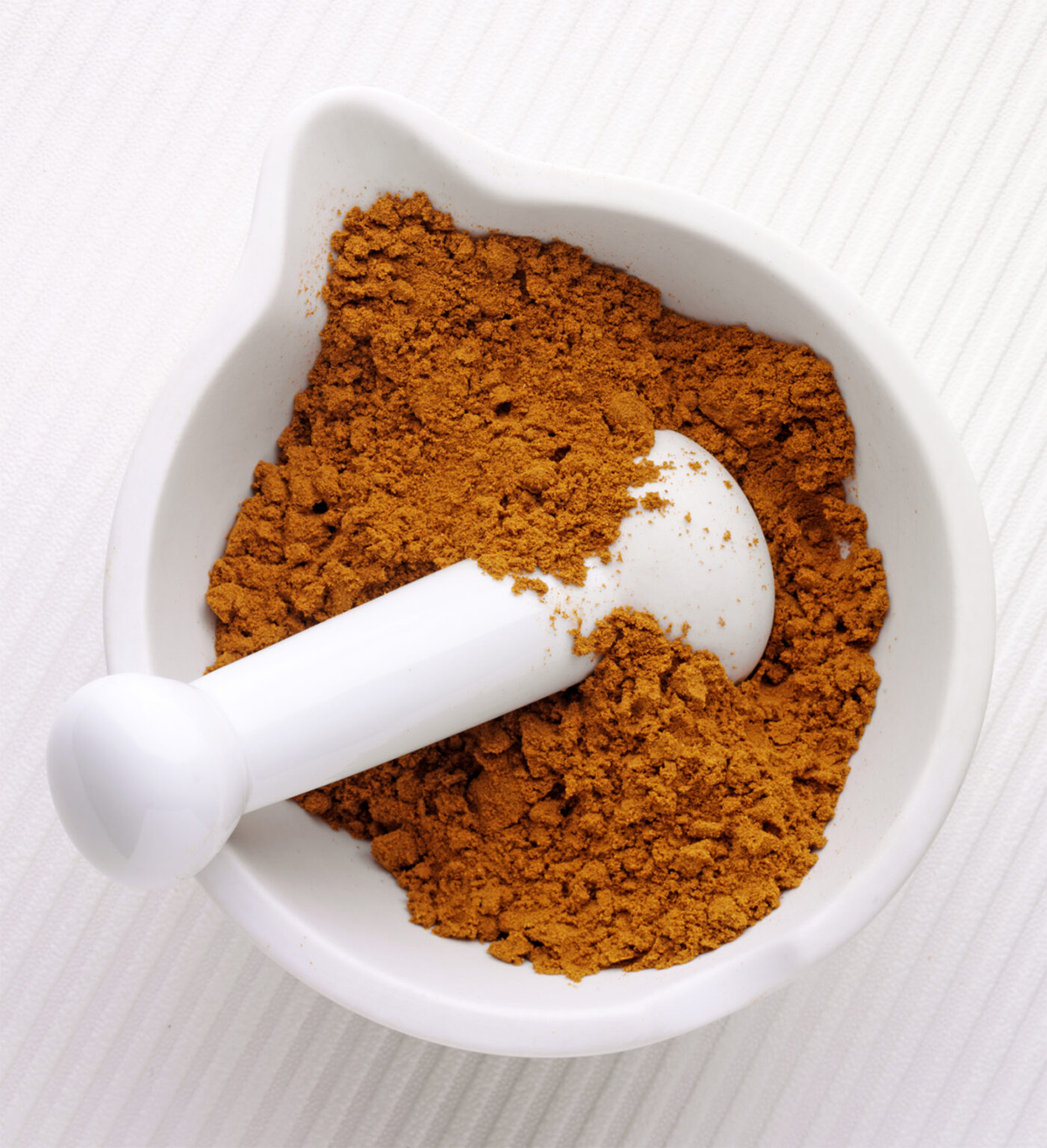
The first time I opened a jar of Madras Curry Powder, the aroma stopped me in my tracks. It wasn’t just spicy. It was warm, earthy, smoky, citrusy, and slightly sweet all at once. I remember standing in my tiny apartment kitchen on a rainy evening, trying to recreate a curry dish I had tasted during a family trip years ago. The moment the spices hit the hot pan, the kitchen transformed into something magical. That single spoonful of Madras curry seasoning didn’t just flavor the meal—it told a story.
For many people, curry powder is simply a yellow spice blend sitting quietly on the grocery shelf. But Madras Curry Powder is different. It carries history, culture, complexity, and personality. It is bolder, deeper, and more aromatic than standard curry blends, making it a favorite among chefs, home cooks, and spice enthusiasts around the world.
In this article, we’ll explore what makes Madras curry powder unique, its origins, flavor profile, nutritional value, cooking uses, and why it deserves a permanent place in your kitchen.
What Is Madras Curry Powder?
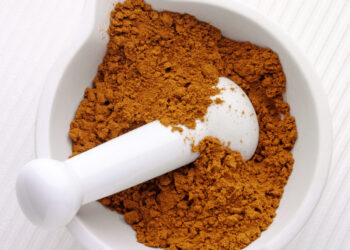
Madras Curry Powder is a spice blend inspired by the flavors of South Indian cuisine, particularly from the region formerly known as Madras, now called Chennai, in Tamil Nadu, India. Unlike mild curry powders, this version is known for its vibrant color and stronger heat level.
Traditional Madras curry spice blends often include:


- Turmeric
- Coriander
- Cumin
- Fenugreek
- Black pepper
- Chili peppers
- Mustard seeds
- Curry leaves
- Ginger
- Garlic powder
- Cloves
- Cinnamon
The exact recipe varies depending on the brand or household tradition, but the result is usually intensely aromatic with layers of warmth and spice.
What surprised me most when I first cooked with it was the balance. Even though it contains chili and pepper, the heat doesn’t overpower the dish. Instead, it builds slowly, creating a comforting warmth that lingers pleasantly.
The History Behind Madras Curry Powder
The story of Madras curry powder is deeply connected to trade, colonization, and culinary adaptation.
During the British colonial era in India, British traders and officials became fascinated with Indian curries. Wanting to recreate these dishes back home, they attempted to simplify the complex spice combinations used by Indian cooks. This led to the creation of standardized curry powders.
Madras curry powder emerged as one of the more robust and spicy versions inspired by Southern Indian cooking traditions.
Interestingly, many Indians traditionally use freshly ground masalas rather than pre-made curry powder. Yet Madras curry powder became globally popular because it offered convenience without sacrificing bold flavor.
Today, this spice blend is widely used not only in Indian-inspired recipes but also in soups, marinades, roasted vegetables, rice dishes, and even modern fusion cuisine.
Why Madras Curry Powder Tastes Different
One of the reasons people fall in love with Madras curry powder is its layered flavor profile.
1. Earthy Warmth
Turmeric and cumin provide a grounding earthiness that creates depth.
2. Gentle Heat
The dried chilies add noticeable spice without becoming overwhelming.
3. Citrus and Brightness
Coriander contributes fresh citrus notes that lift the blend.
4. Sweet Aromatics
Cinnamon, cloves, and fenugreek create subtle sweetness.
5. Smoky Complexity
Roasted spices bring a smoky richness that makes dishes taste slow-cooked even when prepared quickly.
I once added a teaspoon of Madras curry powder to roasted sweet potatoes, expecting ordinary results. Instead, the vegetables developed a caramelized, spicy flavor that tasted restaurant-quality. It completely changed how I viewed spice blends.
Personal Experience: The Dish That Made Me Obsessed
A few years ago, I hosted a small dinner gathering for friends. I wanted to make something comforting yet memorable. Instead of ordering takeout, I prepared a coconut chicken curry using Madras curry powder.
At first, I worried the spice level might be too intense. But as the onions softened and the spice blend bloomed in coconut oil, the aroma filled the house with warmth.
One friend walked into the kitchen and immediately asked, “What smells so incredible?”
That night, the curry disappeared within minutes.
What stood out wasn’t just the heat—it was the complexity. The blend created layers of flavor that tasted as though the dish had simmered for hours, even though it came together in less than 45 minutes.
Since then, Madras curry powder has become one of the few spices I always keep stocked.
Nutritional Value of Madras Curry Powder
Besides its flavor, Madras curry powder also offers several nutritional and wellness benefits thanks to its spice ingredients.
Approximate Nutrition Per 1 Tablespoon
- Calories: 20–25
- Protein: 1 gram
- Carbohydrates: 4 grams
- Fiber: 2 grams
- Fat: Less than 1 gram
- Iron: 10–15% Daily Value
- Manganese: 15–20% Daily Value
- Vitamin K: Small amounts
Because the blend contains multiple spices rich in antioxidants, it may contribute to overall wellness when consumed as part of a balanced diet.
Key Health Benefits
– Turmeric
Turmeric contains curcumin, a compound studied for its anti-inflammatory and antioxidant properties.
– Cumin
Cumin may support digestion and contains iron.
– Coriander
Coriander seeds provide antioxidants and a fresh flavor profile.
– Fenugreek
Fenugreek has traditionally been used to support digestion and metabolism.
– Chili Peppers
Chilies contain capsaicin, which may help stimulate metabolism and circulation.
While Madras curry powder is not a miracle food, its ingredients are undeniably nutrient-rich compared to heavily processed seasonings.
Check out more:
- 5 Low Sugar Breakfast Ideas to Start Your Day Right
- Diabetes-Friendly Dinner Recipes: Low Sugar, Balanced, and Satisfying
How to Use Madras Curry Powder in Cooking
One of the best things about Madras curry powder is its versatility.
- Classic Curry: The most traditional use is in chicken, lamb, lentil, or vegetable curry.
- Rice Dishes: Add a teaspoon to rice while cooking for extra color and aroma.
- Soups and Stews: It adds depth to pumpkin soup, lentil soup, or creamy stews.
- Roasted Vegetables: Sprinkle on potatoes, carrots, cauliflower, or chickpeas before roasting.
- Marinades: Mix with yogurt, garlic, lemon juice, and olive oil for flavorful marinades.
- Egg Dishes: A pinch in scrambled eggs creates a surprisingly delicious breakfast.
Modern Fusion Recipes
Many chefs now use Madras curry seasoning in:
- Curry mayonnaise
- Spicy popcorn
- Curry hummus
- Grilled seafood
- Curry pasta sauces
- Gourmet burgers
I personally love mixing a little Madras curry powder into homemade salad dressing. The flavor instantly transforms a simple meal into something unforgettable.
Tips for Buying the Best Madras Curry Powder
Not all spice blends are created equal. When shopping for authentic Madras curry powder, look for:
Fresh Aroma
If possible, smell the spice blend. It should smell vibrant and warm, not dusty.
Bright Color
Fresh blends usually have a rich yellow-orange hue.
Minimal Additives
Avoid products filled with anti-caking agents, artificial coloring, or excess salt.
Trusted Spice Brands
High-quality spice companies often provide fresher products with stronger flavor.
Small Batches
Buying smaller amounts helps preserve freshness.
Spices lose potency over time, so replacing old curry powder every six to twelve months can dramatically improve your cooking.
The Difference Between Madras Curry Powder and Regular Curry Powder
People often assume all curry powders taste the same, but that’s far from true.
| Feature | Madras Curry Powder | Regular Curry Powder |
|---|---|---|
| Heat Level | Medium to Hot | Mild |
| Flavor | Bold and complex | Softer and milder |
| Color | Deep yellow-orange | Yellow |
| Chili Content | Higher | Lower |
| Aroma | Intense and layered | Gentle |
If regular curry powder feels too mild or flat, Madras curry powder offers a richer culinary experience.
Common Mistakes When Cooking With Madras Curry Powder
- Adding It Too Late: Spices should be cooked briefly in oil to release their aroma.
- Using Too Much: Because it’s stronger than regular curry powder, start small and adjust gradually.
- Burning the Spices: High heat can make spices bitter.
- Ignoring Balance: Madras curry powder pairs beautifully with creamy ingredients like coconut milk or yogurt.
Learning these small techniques made a huge difference in my own cooking.
Why Madras Curry Powder Continues to Grow in Popularity
In recent years, global interest in bold flavors and international cuisine has exploded. Food lovers want more than bland seasoning—they want depth, authenticity, and experience.
Madras curry powder delivers exactly that.
It allows home cooks to create restaurant-quality dishes without complicated spice preparation. It also fits modern cooking trends focused on plant-based meals, global fusion recipes, and flavorful healthy eating.
Social media food creators, professional chefs, and wellness-focused cooks continue to embrace this iconic spice blend because it offers both flavor and versatility.
Final Thoughts on Madras Curry Powder
For me, Madras Curry Powder represents more than just seasoning. It reminds me that cooking can tell stories, awaken memories, and connect cultures through flavor.
Every time I open that jar, I remember the rainy evening when I first discovered its magic. Since then, it has become one of the most reliable ways to transform ordinary ingredients into something deeply comforting and unforgettable.
Whether you’re making a traditional curry, experimenting with roasted vegetables, or creating modern fusion dishes, Madras curry powder brings warmth, complexity, and character to every bite.
If your spice cabinet feels uninspiring, this bold South Indian-inspired blend might be exactly what your kitchen has been missing.
References
- Harvard T.H. Chan School of Public Health – Turmeric and Curcumin Research
- National Institutes of Health (NIH) – Spices and Health Benefits
- The Spice House – Curry Powder Ingredient Profiles
- Healthline – Nutritional Benefits of Common Curry Spices
- McCormick Science Institute – Culinary Herbs and Spices Research
- Indian culinary history sources related to Chennai (formerly Madras) spice traditions