
Do you eat beetroot leaves when you bring home a bunch of beets from the grocery store or farmers’ market? For years, I didn’t. Like many people, I used to twist off the leafy tops without a second thought and toss them straight into the trash. It never occurred to me that those deep green leaves could be just as valuable – nutritionally and culinarily – as the ruby-red root we prize so highly.
It turns out, asking do you eat beetroot leaves is the beginning of discovering one of the most underrated edible greens in American kitchens today.
What Exactly Are Beetroot Leaves?
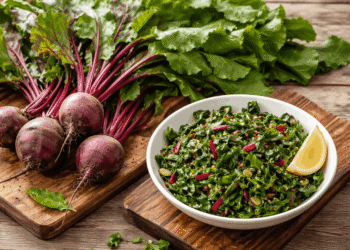
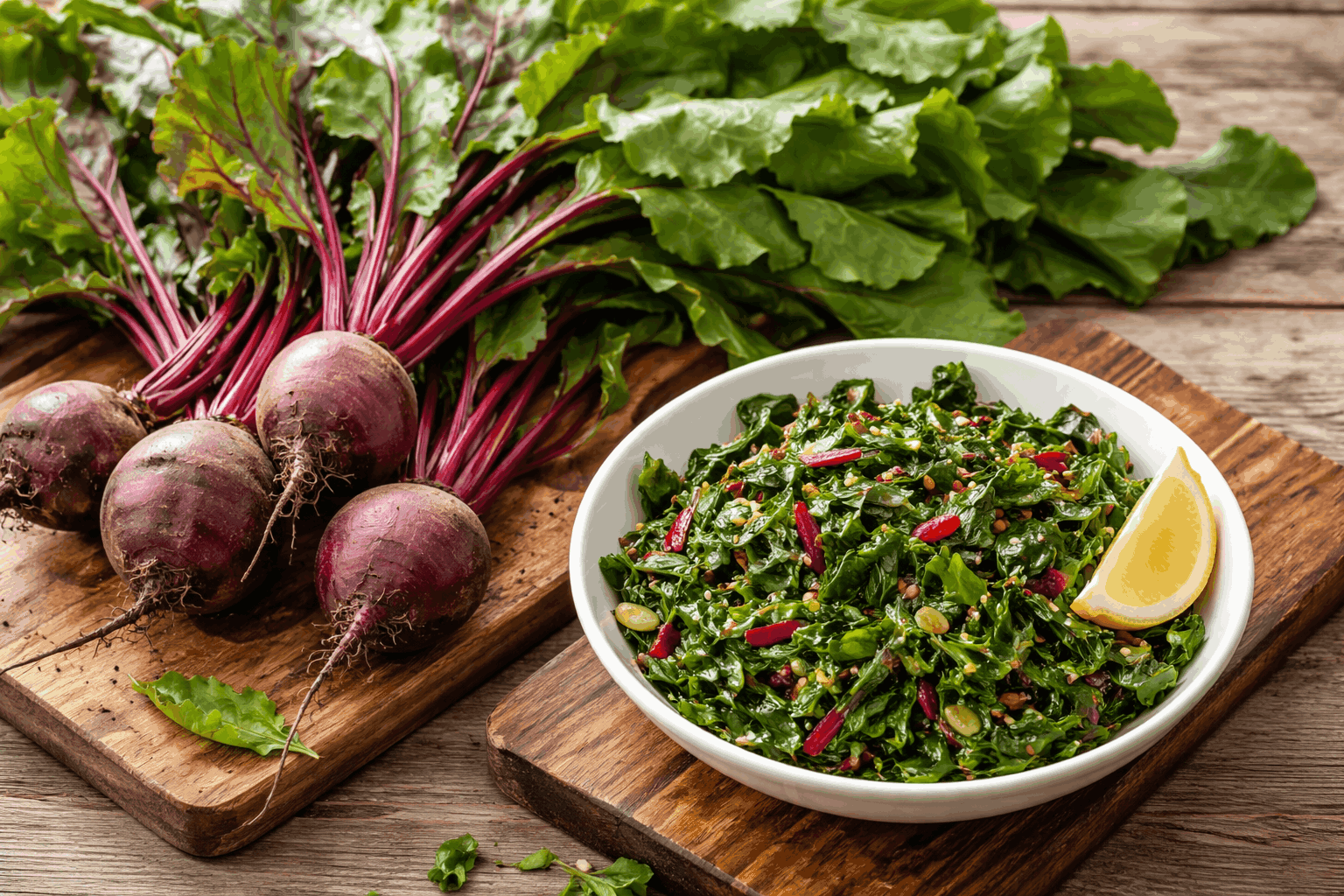
Beetroot leaves, often called beet greens, are the leafy tops attached to beet roots. They resemble Swiss chard in both appearance and flavor, which isn’t surprising since they belong to the same plant family.
In many parts of the world – especially in Mediterranean and Eastern European cuisines – beet greens are a staple. In the U.S., however, they’re often treated as a disposable byproduct. That’s unfortunate, because beetroot leaves are not only edible but exceptionally nutritious.
Do You Eat Beetroot Leaves, and Are They Safe?


A common concern behind the question do you eat beetroot leaves is safety. The short answer: yes, they are safe for most people to eat.
According to nutrition experts, beet greens are completely edible when washed and cooked properly. The only caveat is that they are relatively high in oxalates, compounds that can contribute to kidney stones in susceptible individuals.
Harvard Health explains oxalates clearly here: For the average healthy adult, moderate consumption poses no issue. Cooking beetroot leaves can also reduce oxalate levels, making them easier to digest.
Nutritional Powerhouse: Why Experts Love Beet Greens
When nutritionists are asked do you eat beetroot leaves, many respond enthusiastically and for good reason.
- Beetroot leaves are packed with:
- Vitamin A for eye health and immunity
- Vitamin C to support skin and immune function
- Vitamin K essential for blood clotting and bone health
- Iron, important for oxygen transport
- Magnesium and potassium for muscle and nerve function
According to Healthline, beet greens actually contain more nutrients per calorie than the beetroot itself. Dr. Lisa Young, PhD, RDN, a nutrition professor at NYU, notes that leafy greens like beetroot leaves “offer significant anti-inflammatory and antioxidant benefits when consumed regularly.
Check out more:
- Gremolata: The Zesty Italian Secret That Changed How I Season My Food
- Is Apple Juice Acidic? Here’s the Real Answer (Plus Surprising Facts About Other Juices)
My First Time Eating Beetroot Leaves
I still remember the first time I consciously decided to answer “yes” to question “do you eat beetroot leaves”. It was during a weekend experiment in my kitchen after visiting a local farmers’ market.
The beets were fresh, with vibrant, unwilted greens. Instead of discarding them, I sautéed the leaves with garlic, olive oil, and a pinch of sea salt. The result surprised me: tender, slightly earthy, and pleasantly bitter – similar to spinach but more robust.
Since then, beet greens have become a regular part of my meals, especially when I want to cut down on food waste.
Culinary Uses: How to Cook Beetroot Leaves
If you’re new to the idea and asking do you eat beetroot leaves, the key is knowing how to prepare them properly.
Here are some popular methods:
1. Sautéed Beet Greens
Remove thick stems, chop the leaves, and sauté with olive oil, garlic, and onions.
2. Added to Soups and Stews
Beetroot leaves work beautifully in lentil soups, vegetable stews, and broths.
3. Smoothies (Yes, Really)
Young, tender beet greens can be blended into green smoothies with fruit to balance the bitterness.
4. Stir-Fries
Use them like bok choy or Swiss chard for a nutrient boost.
The stems are edible too, just cook them a bit longer.
Beetroot Leaves for Health Benefits?
Many people now ask do you eat beetroot leaves specifically because of their health potential.
Research suggests that leafy greens may help:
- Reduce inflammation
- Support cardiovascular health
- Improve digestion due to fiber content
- Support eye health thanks to lutein and zeaxanthin
The American Heart Association encourages eating a variety of leafy greens for heart health. While beetroot leaves aren’t a magic cure, they fit perfectly into a balanced, whole-food-based diet.
What Does Beetroot Leaves Taste Like?
One reason people hesitate when asking do you eat beetroot leaves is fear of the taste.
Beet greens have:
- A mildly bitter, earthy flavor
- A texture similar to kale when raw, softer when cooked
- A taste that pairs well with acidic ingredients like lemon or vinegar
Cooking mellows the bitterness significantly. Adding fat (olive oil, butter) also enhances flavor and nutrient absorption.
When You Might Want to Avoid Beetroot Leaves
Despite their benefits, beetroot leaves aren’t for everyone.
You may want to limit or avoid them if you:
- Have a history of kidney stones
- Are on blood-thinning medication (due to high vitamin K)
- Experience digestive discomfort from high-fiber greens
If you’re unsure, registered dietitians recommend moderation and variety rather than complete avoidance.
Do You Eat Beetroot Leaves? Chefs Say Yes
Many professional chefs are rediscovering beet greens. Chef Dan Barber, known for his farm-to-table philosophy, has spoken about using “the whole vegetable” to respect both flavor and sustainability.
Restaurants focused on seasonal cooking often sauté beetroot leaves or incorporate them into pestos and fillings.
This growing culinary interest reinforces that beet greens are far from scraps, they’re an ingredient worth celebrating.
Final Thoughts: Should You Start Eating Them?
So, do you eat beetroot leaves? If you don’t yet, there’s little reason not to try.
They’re nutritious, versatile, budget-friendly, and environmentally responsible. From my own kitchen experiments to expert-backed nutritional advice, beetroot leaves have earned their place on the plate.
Next time you buy beets, pause before throwing those greens away. You might just discover your new favorite leafy vegetable.