
Gremolata, I have a story about this dish. The first time I tried it was in my small apartment kitchen at 1 a.m. I was seasoning bland roast chicken. I remembered a friend once telling me, “When a dish feels dead, add something alive.” So I Googled “Italian fresh topping,” stumbled upon Gremolata, and that night, my cooking life changed forever. I had a new cooking knowledge that made every dish I cooked taste delicious.
Gremolata, a mixture of lemon zest, garlic, and parsley (a traditional Italian condiment), would become my favorite flavoring agent in my kitchen. Today, I use this topping in everything from pasta to grilled vegetables and even avocado toast. And the best part? It requires zero cooking and almost no ingredients. It’s easy and offers great benefits in cooking.
Well, since I’ve had so much experience with Gremolata, this time I decided to share it with you. In this article, I’ll cover everything you need to know about it. I’ll use accurate references, culinary logic, and a little personal experience to show why this three-ingredient miracle deserves a permanent spot in your fridge.
What Exactly Is Gremolata?
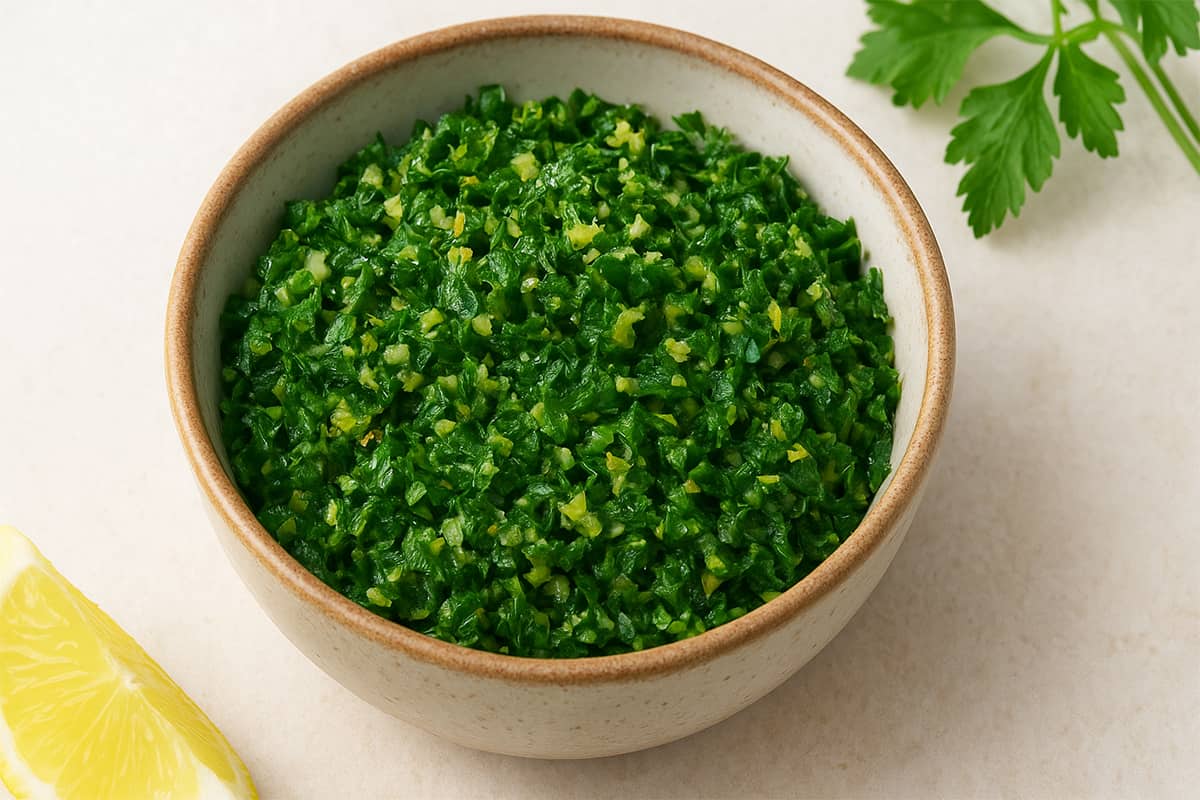
Essentially, gremolata is an Italian herb garnish traditionally made with just three ingredients: finely chopped parsley, fresh garlic, and lemon zest.
This classic combination has become popular because it adds brightness and aroma to dishes, even a sudden lift to rich or heavy dishes.
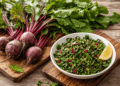

Historically, Italian cooks used gremolata as a finishing touch to osso buco, the famous braised veal shank from Lombardy.
If we look back at Italian culinary references, gremolata isn’t just an optional topping; it’s a defining element of the dish. It balances the meat by adding a sharp, fresh citrus flavor. However, gremolata isn’t just for that; modern chefs have used it in many dishes, including seafood, baked potatoes, grilled steak, cream soups, and even brunch dishes like eggs and toast.
Why I Fell in Love With Gremolata (A Personal Note)
Before I knew about gremolata, I relied on salt, pepper, and, of course, the hope that my food would taste good. Every dish I prepared tasted decent, but nothing particularly memorable. Honestly, I thought good taste required fancy equipment or a longer cooking time, as is often portrayed on culinary TV shows.
Then came my late-night chicken crisis. The meat tasted okay but flat; it was like something was missing. When I sprinkled freshly made gremolata over it, the dish instantly transformed, and wow, it was a surprise. The lemon zest brightened everything, the garlic added punch, and the parsley made it feel fresh and lively. The three ingredients in gremolata made everything so easy and tempting.
Not exaggerating: I said “Oh wow” out loud in an empty kitchen.
From that night on, gremolata became my go-to fix whenever a dish felt “boring,” “too heavy,” or “not restaurant-level yet.”
The Science Behind Why Gremolata Works
A delicious condiment isn’t just about flavor, but also about balance. This Italian topping delivers three flavor components that are crucial for maintaining balance:
1. Acid (From Lemon Zest)
The acidity of citrus zest penetrates the richness of the flavor, refreshing the palate, and making the flavors of the dish stand out. [fdc.nal.usda.gov]
In food science, acids help wake up fat-heavy dishes and stimulate saliva production. [Source: Harold McGee – On Food and Cooking]
2. Umami Heat (from garlic)
Raw garlic adds a deep, savory flavor and aroma. When finely chopped, garlic releases more allicin (the compound that gives garlic its pungent odor).
3. Fresh Herbal Notes (From Parsley)
Parsley is a key herb in flavor distribution. It softens the sharpness of the garlic and brings the lemony notes to the entire dish.
As a result, Gremolata is a condiment that transforms dishes into clean, savory, and more dimensional dishes.
How to Make Classic Gremolata
This is my go-to recipe after several tries:
- 1 cup fresh parsley, finely minced
- 2 cloves garlic, crushed into a paste
- Zest of 1 large lemon
- Pinch of salt
That’s it; I omit the olive oil and pepper. Authentic Gremolata is a dry mix, made to preserve the purity of the fresh ingredients.
Pro Tips From My Kitchen
- Chop the parsley very finely to prevent a chunky texture.
- Use microplaned lemon zest for maximum aroma.
- Crush the garlic with salt until smooth (a smooth paste). This will give a more pronounced flavor and prevent the sharp raw-garlic burn.
- Make the mixture fresh; it loses vibrancy after 24 hours.
Check out more:
- Is Apple Juice Acidic?
- Why Am I Craving Pineapple? 7 Surprising Reasons Your Body Might Telling You
- Cantonese Style Chicken: A Flavorful Journey
Modern Variations for Gremolata
Now, this dish is not only available in the classic version but also in modern versions. Modern cooks are twisting it to suit different cuisines. Here are some variations I’ve tried:
- Chili Gremolata: To make this, add a pinch of chili flakes for a hotter flavor. This variation is perfect as a topping for seafood.
- Panko Gremolata: Toast breadcrumbs in olive oil and mix with the gremolata. It’s perfect for topping pasta or roasted veggies.
- Orange Gremolata: Swap lemon zest for orange zest for a sweeter, gentler aroma.
- Mint Gremolata: Replace half the parsley with mint; this is great for lamb or spring dishes.
📊 Nutritional Estimate (Per Serving)
(Based on 1 tablespoon/1 serving)
| Component | Amount |
|---|---|
| Calories | 8–10 kcal |
| Carbohydrates | 1.5–2 g |
| Protein | 0.3 g |
| Fat | 0.1 g |
| Fiber | 0.6 g |
| Vitamin C | High (from lemon zest & parsley) |
| Vitamin K | High (from parsley) |
| Sodium | Very low (depends on added salt) |
Nutritional Benefits You Probably Didn’t Know
Usually, people only use gremolata for its rich flavor, but who would have thought it has surprising nutritional benefits?
- Antioxidants: Parsley and lemon zest contain high levels of flavonoids and vitamin C. [Source: USDA FoodData Central]
- Supports Digestion: Garlic and lemon both promote digestive health and may help reduce bloating.
- Low-Calorie Flavor: You get huge flavor with almost zero calories, which makes gremolata a perfect “healthy hack” for people trying to cut back on heavy sauces.
Final Thoughts: Everyone Needs This in Their Flavor Toolkit
If you want your dishes to always impress everyone, then Gremolata is the answer. You could say that this Italian herb is the final touch to elevate your culinary flavors.
Whether you’re a beginner or a seasoned cook, Gremolata is ready to provide freshness, a strong aroma, brightness, and depth of flavor. Best of all, it’s all effortless and cost-effective.
Gremolata: The Zesty Italian Secret That Changed My Food
Print RecipeIngredients
- 1 cup fresh flat-leaf parsley, finely minced
- 2 cloves garlic, crushed into a paste
- Zest of 1 large lemon
- Pinch of salt
Instructions
- Finely mince parsley until very small and uniform.
- Zest the lemon using a microplane for maximum aroma.
- Crush garlic with a pinch of salt to form a smooth paste.
- Combine parsley, lemon zest, and garlic in a small bowl.
- Mix gently until ingredients are evenly blended.
- Taste and adjust salt if needed.
- Use immediately as a fresh topping for meats, vegetables, pasta, or soup.