
Low Sugar Breakfast Ideas – If you’ve ever felt sluggish or hungry shortly after breakfast, your morning meal might be higher in sugar than you think. From flavored yogurts to breakfast cereals, hidden sugars can sneak into what seems like a healthy start. Over time, consuming too much sugar—especially in the morning—can impact your energy levels, weight, and overall health.
In this article, we’ll explore why a low sugar breakfast matters, share 5 easy and delicious breakfast ideas, and give practical tips to help you reduce sugar without sacrificing flavor.
Why Reducing Sugar at Breakfast Matters
Eating too much added sugar has been linked to various health concerns, including weight gain, insulin resistance, and increased risk of chronic diseases like type 2 diabetes and heart disease.
According to the American Heart Association, the recommended daily limit for added sugar is about 25 grams for women and 36 grams for men. However, many people exceed this limit before lunchtime—often starting with breakfast.
A high-sugar breakfast can cause:


- Rapid spikes in blood sugar
- Energy crashes mid-morning
- Increased cravings throughout the day
On the other hand, a low sugar breakfast helps stabilize energy, improves focus, and supports long-term health.
5 Low Sugar Breakfast Ideas
These breakfast ideas are simple, balanced, and naturally low in sugar while still being satisfying and flavorful.
1. Plain Yogurt with Fresh Fruit and Nuts
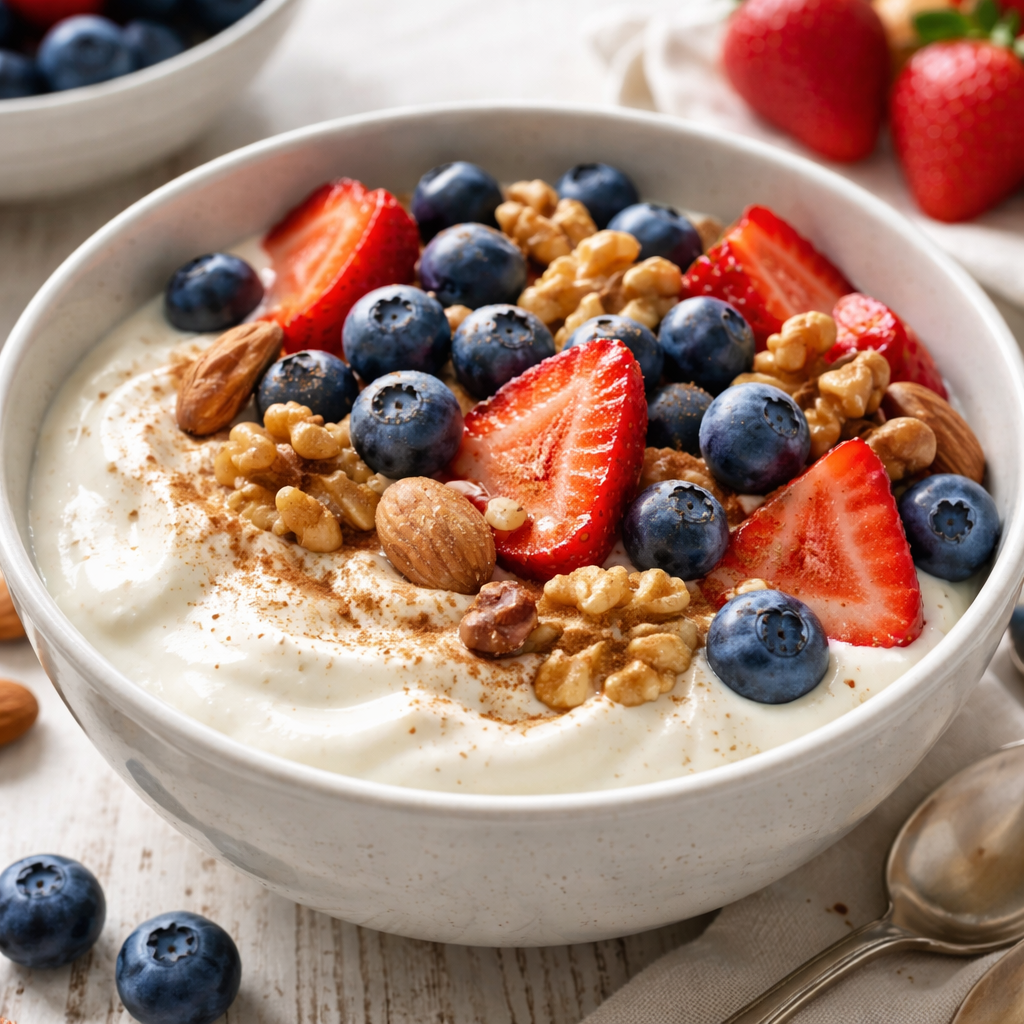
Flavored yogurts can contain as much sugar as dessert. Instead, choose plain, unsweetened yogurt and add your own toppings.
How to build it:
- Plain Greek yogurt (high in protein)
- Fresh berries (like blueberries or strawberries)
- A handful of almonds or walnuts
- Optional: a sprinkle of cinnamon
Why it works:
You control the sweetness while getting protein, fiber, and healthy fats—all of which help keep you full longer.
2. Vegetable Omelet (Egg-Based Breakfast)

Eggs are naturally sugar-free and packed with nutrients.
Simple combo:
- Eggs
- Spinach
- Tomatoes
- Mushrooms
- Onions
Cook everything into a fluffy omelet and add a pinch of salt, pepper, and herbs.
Why it works:
This breakfast is high in protein and low in carbohydrates, helping to prevent blood sugar spikes.
3. Oatmeal with Cinnamon (No Added Sugar)
Oatmeal is often considered healthy—but instant flavored versions can be loaded with sugar.
Make it better:
- Use rolled or steel-cut oats
- Cook with water or unsweetened milk
- Add cinnamon and a splash of vanilla extract
- Top with sliced banana or berries
Why it works:
Oats provide slow-releasing energy, while cinnamon adds natural sweetness without sugar.
4. Avocado Toast with Protein
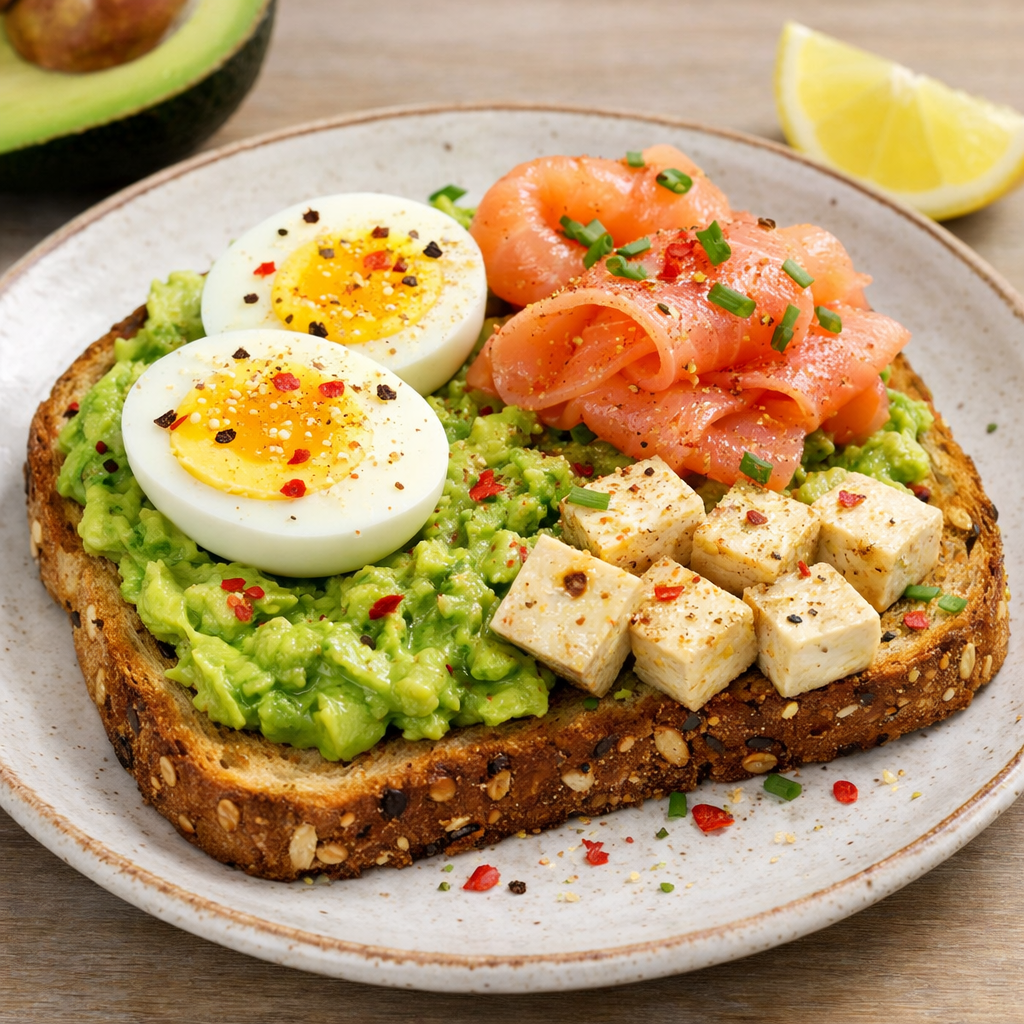
Avocado toast is a popular breakfast—and for good reason.
Upgrade your toast:
- Whole grain bread
- Mashed avocado
- Add protein: boiled egg, smoked salmon, or tofu
- Sprinkle chili flakes or lemon juice
Why it works:
Healthy fats from avocado combined with protein help keep you satisfied and reduce cravings.
5. Smoothie (Low Sugar Version)
Smoothies can be a sugar trap if overloaded with fruit juice or sweeteners.
Low sugar smoothie formula:
- Base: unsweetened almond milk or yogurt
- Greens: spinach or kale
- Low-sugar fruits: berries
- Protein: protein powder, chia seeds, or peanut butter
- Flavor: vanilla extract or cinnamon
Why it works:
Balanced smoothies give you nutrients without the sugar overload of juice-based drinks.
How to Add Flavor Without Sugar
Cutting sugar doesn’t mean your breakfast has to taste bland. There are many natural ways to enhance flavor:
1. Use Spices
Spices like cinnamon, nutmeg, and cardamom add warmth and sweetness without sugar.
2. Add Vanilla Extract
A small amount of vanilla extract can make foods taste sweeter without adding sugar.
3. Choose Naturally Sweet Foods
Fruits like berries, apples, or bananas can provide enough sweetness when used in moderation.
Check out more:
- Diabetes-Friendly Dinner Recipes: Low Sugar, Balanced, and Satisfying
- Caramelized Brussels Sprouts Recipe
How to Spot Hidden Sugars in Breakfast Foods
One of the biggest challenges in eating a low sugar breakfast is identifying hidden sugars in packaged foods.
Check the Nutrition Label
Look at:
- Total Sugars
- Added Sugars
Try to choose products with little to no added sugar.
Watch for Different Names of Sugar
Sugar isn’t always listed as “sugar.” It can appear as:
- High fructose corn syrup
- Cane juice
- Dextrose
- Maltose
- Agave nectar
If you see multiple types of sugar listed, that’s a red flag.
Be Careful with “Healthy” Foods
Foods marketed as healthy—like granola, protein bars, or flavored oatmeal—often contain added sugars.
Building a Balanced Low Sugar Breakfast
A healthy breakfast isn’t just about cutting sugar—it’s about balance. Aim to include:
- Protein: eggs, yogurt, nuts, seeds
- Healthy fats: avocado, nuts, olive oil
- Fiber: vegetables, whole grains, fruits
This combination helps regulate blood sugar and keeps you full for longer.
Final Thoughts
Switching to a low sugar breakfast doesn’t require drastic changes, just smarter choices. By replacing processed, sugary options with whole foods and natural ingredients, you can improve your energy, reduce cravings, and support your long-term health.